


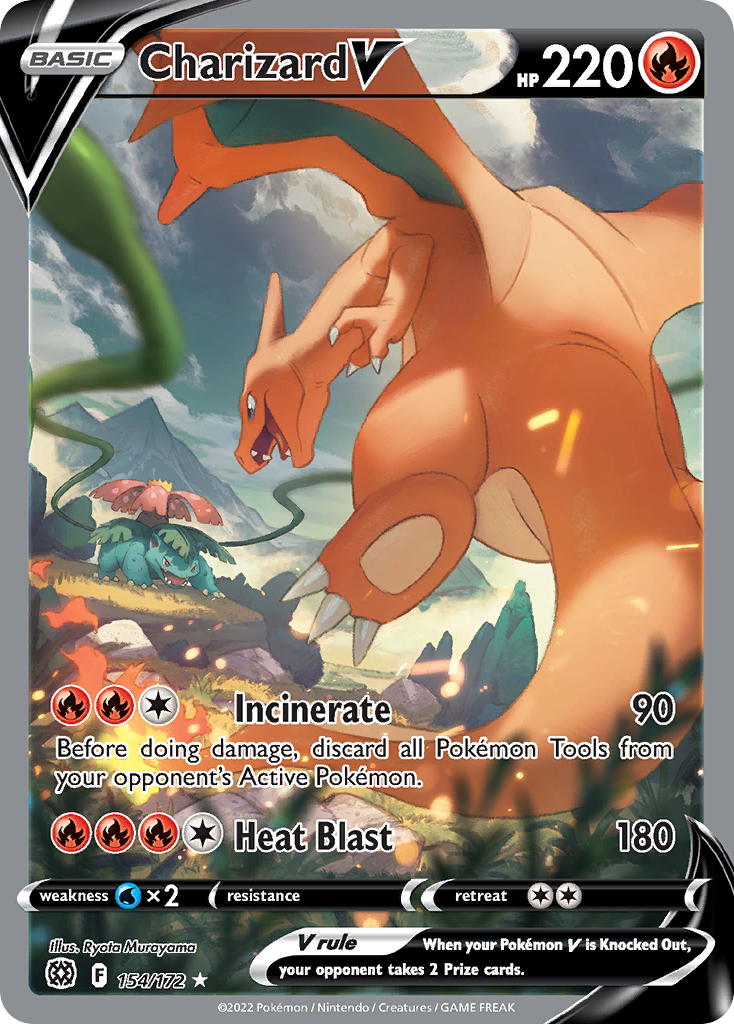
In 2026, a Near Mint SIR at $120 on TCGPlayer can show up as a convincing fake on eBay at $65 « urgent sale ». Mega Evolution and Prismatic Evolutions chase demand pulled in new buyers, and counterfeits followed, including copied PSA slabs. This guide is a field checklist for US/UK buyers: black core, card back, texture, weight, official databases, then cert verification.
In this article
You do not need a lab to catch most everyday fake Pokémon cards. In 10–30 seconds, a missing black core, a washed purple back, and flat « texture » on an IR/SIR eliminate cheap fakes. Premium fakes and slabs need photos, a loupe, and cross-checks with TCGPlayer / Cardmarket plus the PSA (or CGC/BGS) database. Goal: do not pay chase money for shiny cardboard.
Buy tracked sealed (lower fake risk on the chase path)

Mega Evolution—Perfect Order Elite Trainer Box
$89.93
$9.99/pack

Scarlet & Purple Elite Trainer Set - Prismatic Evolutions
$214.99
$23.89/pack

GCC Pokémon Ultra Premium Mega Charizard X-ex Collection
$324.42
$18.02/pack

Card Game Japanese Nihil Zero Booster Box
$95.30
$10.59/pack
Amazon partner links - we may earn a commission at no extra cost to you.
Why fake Pokémon cards spiked in 2026
Three drivers stack. Special Illustration Rare prices stay sticky on TCGPlayer and eBay sold listings. Pokémon’s 30th anniversary and Mega Evolution nostalgia pulled in parents, returning collectors, and flippers. Marketplaces and break streams move volume with uneven QC. Early-2026 headlines about fake PSA label schemes reminded everyone that plastic alone is not safety.
Concrete case: you want a Prismatic / Mega Evolution chase around $80–$150 raw NM. A listing offers the « same » card at $55, one blurry photo, local cash meetup. Even if the seller is friendly, a ~40% discount versus market without a clear condition story is a stop sign. Use TCGPlayer market / Cardmarket Trend as your anchor.
Quick checklist: 8 tests before you buy
- Black core on the edge: missing = almost always fake.
- Light test: real cards stay fairly opaque; many fakes glow through.
- Back: rich navy, sharp swirls; purple wash / blur = suspect.
- Fonts and energy symbols: crisp edges, no pixel bleed.
- Texture on modern IR / SIR / ex: tactile relief, not a smooth film.
- Weight roughly 1.7–1.9 g for a standard card (precision scale).
- Card exists: set + number + language in a trusted database.
- Slab: unique cert number verified on the official PSA / CGC / BGS site.
Real vs fake: 2026 tells
| Check | Typical authentic card | Common fake |
|---|---|---|
| Edge / core | Thin dark line in the card edge | All-white or grey edge |
| Back | Deep blue, detailed swirls | Washed purple, muddy print |
| Modern foil | Controlled pattern, readable text | Vertical rainbow eating the name |
| Chase texture | Emboss you can feel | Waxy flat « printed texture » |
| Weight | About 1.7–1.9 g | Often under 1.6 g or over 2.1 g |
| Price vs market | Near market ±15% | −30% to −50% with no condition reason |
US/UK collector heuristics, August 2026. No single test is enough; stack 3+ checks.
Black core and light test, done right
Official Pokémon cards are a sandwich with a dark core. Hold the card edge-on under good light and look for the thin dark line in the middle. An all-white edge is usually fake stock. The light test helps: phone flashlight behind the card. Real stock stays relatively opaque; many counterfeits bloom bright. Together they filter most flea-market and « mystery rare lot » junk.
Back print, fonts, and foil tells
The card back remains one of the best judges. Compare to a known-real common from a similar era. Cheap fakes look too light, too purple, or muddy in the swirls. On the front, HP numbers, name fonts, and energy icons should be sharp. On modern holos, foil should not drown black text. A vertical rainbow wash across the name is a classic fake tell.
For Illustration Rare and SIR from Mega Evolution / Prismatic Evolutions, texture matters as much as foil. Clean fingers: you should feel emboss, not a sticker. Premium fakes often miss the emboss pattern or place it wrong. A 10× loupe or phone macro on energy micro-print also shows ink bleed.
Fake PSA slabs: graded is not automatically safe
Buying « already graded » is no longer automatic protection. Networks have sold cards with counterfeit PSA labels; collectors have also reported the same cert number on two slabs. Before paying for a multi-hundred-dollar PSA 10 on eBay or a break stream: open the official PSA (or CGC/BGS) lookup, enter the cert, confirm name / set / language / grade, and compare scans when available. Inspect holder seams, label fonts, and security features.
- Cert number is unique and matches the official record.
- Photos of the actual slab and card at angles (not one stock image).
- Be wary of cheap modern PSA 10s when raw NM market is already high.
- For raw condition vs grade intent, use Near Mint and grading guides on rateTCG.
Where risk is highest (US / UK)
Buying channels and counterfeit risk (2026)
| Channel | Relative risk | Practical tip |
|---|---|---|
| Amazon sealed (Amazon retail / known brand) | Low | Prefer sealed tracked on rateTCG |
| TCGPlayer / Cardmarket (rated sellers) | Low–medium | Photos, market price, message first |
| Local game store / convention | Low | You can inspect in hand |
| eBay raw chase singles | High | Sold comps + checklist; avoid rushed BIN |
| Unverified breaks / lives | High | Entertainment budget, not a $200 chase plan |
| « 50 mystery rares » lots | Very high | Often commons plus flashy fakes |
Subjective rateTCG guidance for EN-market buyers. A high-rated TCGPlayer/Cardmarket seller beats an anonymous meetup.
On TCGPlayer and Cardmarket, buyer protection and ratings help, but they are not magic: request recent front/back/corner photos above about $40–$50. For sealed product, Amazon and reputable stores remain the simplest path if you want hits without raw-single roulette.
Already bought and suspect a fake?
- Document: front, back, edge, listing, chat history.
- Run the checklist against a known-real card.
- Open a marketplace dispute (TCGPlayer, eBay, PayPal) within the window.
- Cash meetups leave few remedies: filter before you pay.
- High-value cards can go to grading for authenticity confirmation (fee + shipping + time).
Authentication vs condition vs price
Real vs fake (this page) is not Near Mint vs LP (condition), not what is it worth (market price), and not should I grade it (PSA/CGC process). A real Heavily Played card can be cheap. A « Mint » fake is worth zero. After authenticity clears, stack condition + comps + optional grading.
FAQ
How do you spot a fake Pokémon card quickly?
Start with the black core and the card back. Then texture (IR/SIR), sharp fonts, and a price that matches market. Three red flags means walk away.
Is the light test enough?
No. It catches many paper fakes, but better counterfeits can be more opaque. Always combine light + core + back + texture.
Do Japanese cards use the same checks?
Yes for core, back, and texture. Compare against a known-real JP card though: colors and backs differ slightly from EN. Set numbers still matter.
Can a PSA card be fake?
The card or the slab can be counterfeit. Always verify the cert on the official PSA (or CGC/BGS) site and distrust too-cheap modern 10s.
Is eBay safe for a $100 SIR?
Possible with strong seller history, clear photos, and the checklist, but risk is higher than a top-rated TCGPlayer seller. Use sold comps, not ask prices alone.
Do I need a precision scale?
Helpful above ~$50, not mandatory. ~1.7–1.9 g is a clue, never proof alone.
Where should I buy to reduce fakes?
Sealed from Amazon/reputable stores, local game stores, rated TCGPlayer/Cardmarket sellers. Compare sealed boxes on rateTCG; use Near Mint and value guides for singles.
Do fake cards have any value?
For serious collecting and resale: no. They can also create disputes if resold unknowingly. Keep them out of your NM binder.
Calculate your pull rates
Search any Pokémon card on rateTCG to estimate pull rates per product and compare Amazon prices.


