


9 packs
Mega Evolution—Perfect Order Elite Trainer Box
Amazon price (box)
$89.93

Pokemon TCG
Here you can compare all Pokémon TCG ETBs and booster boxes to see which offer the best odds of pulling a rare card.
Each product includes estimated pull rates, odds by rarity (EX, V, VMAX, Illustration Rare, Secret Rare), and linked expansions.
Last updated:
$89.93
$9.99/pack · 9 boosters

SV8PT5
1 booster included
$214.99
$23.89/pack · 9 boosters

$89.93
$9.99/pack · 9 boosters

$199.00
$22.11/pack · 9 boosters

ME1
1 booster included
$195.99
$21.78/pack · 9 boosters
Showing 1–12 of 32 products
Amazon price (box)
$89.93

Amazon price (box)
$25.99

Amazon price (box)
$37.95
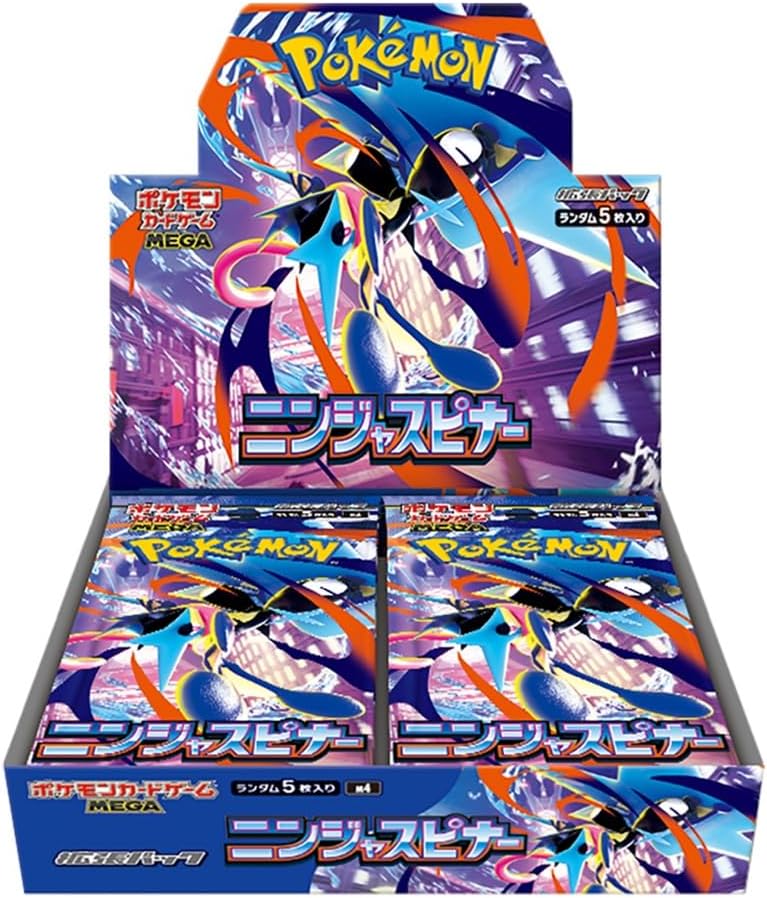
Amazon price (box)
$112.99

Amazon price (box)
$99.75

Amazon price (box)
$95.30

Amazon price (box)
$23.69

Amazon price (box)
$146.88

Amazon price (box)
$26.96
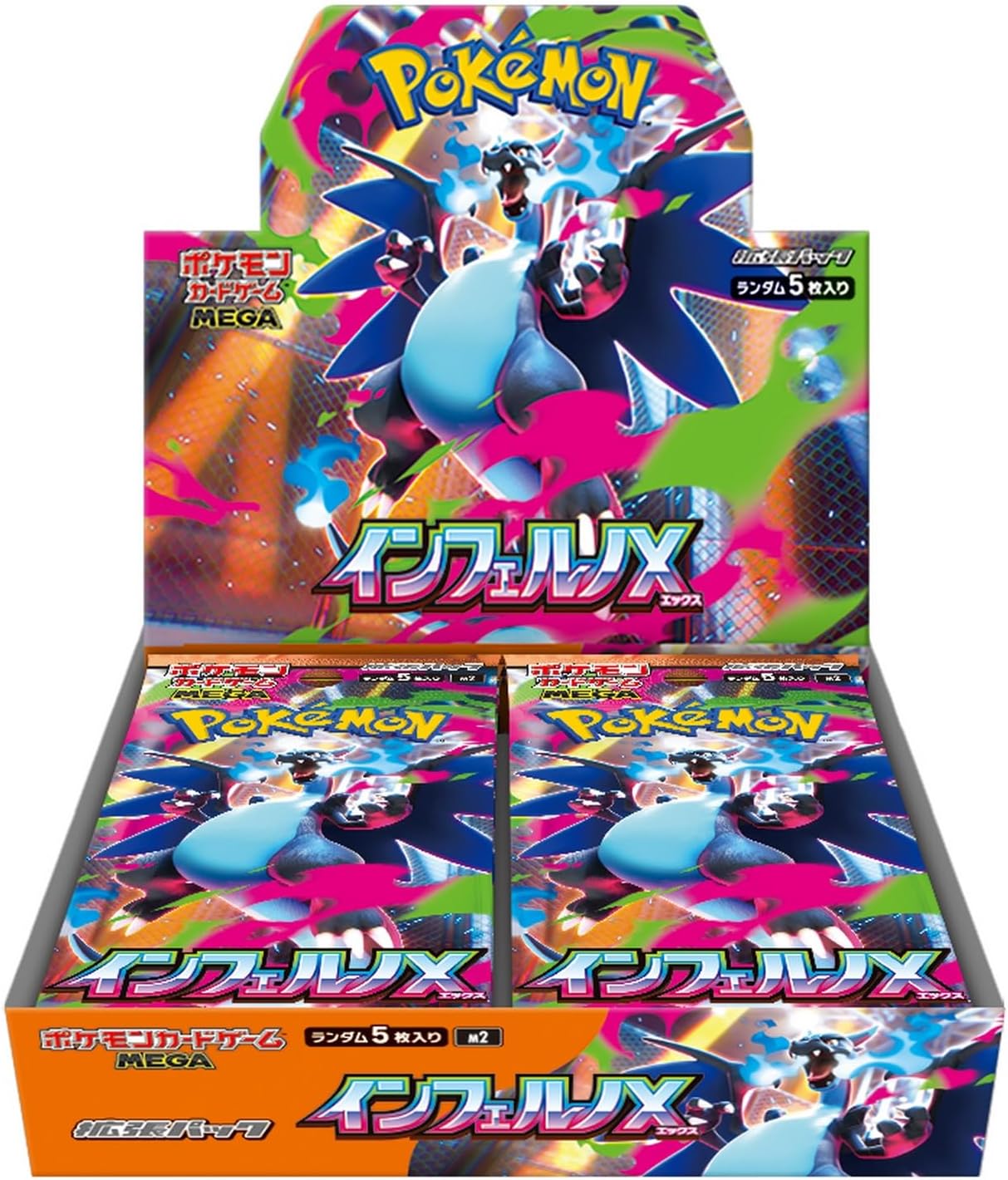
Amazon price (box)
$182.99

Amazon price (box)
$84.95

Amazon price (box)
$26.99
Picking the right Pokémon TCG ETB or booster box is not straightforward: pull rates shift by expansion, chase cards change every set, and sealed products (ETBs, booster boxes, premium collections) do not all offer the same hit odds.
rateTCG automates that work: it compares Pokémon TCG expansions, estimated pull rates, and box contents to surface the best ETBs and boosters for your goal — whether you want rare cards (EX, V, VMAX, Illustration Rare, Secret Rare) or simply the best €/booster value.
Search the card name on the Pokémon hub. rateTCG queries the community Pokémon TCG API, shows art and rarity, then links the card to ETB or Amazon booster SKUs in the catalog that share the same expansion. Each product row shows an expected-copies figure for your card when opening the entire sealed unit—larger denominators mean rarer hits under the model. If nothing appears, the expansion may not be in the partner catalog yet or the card may be a promo not mapped to those products—try alternate spellings or browse the set view.
rateTCG applies a per-booster slot template (commons, uncommons, rare+) tuned to modern sets, then distributes chase cards using rarities from the set list. The expectation is an average over many identical boxes—not a guarantee for your next ten packs. Figures are comparative between catalog products, not official The Pokémon Company printed odds, because no public equivalent sheet exists. Methodology notes update on guides and statistics pages when the community observes durable structural changes.
An Elite Trainer Box is a premium kit—typically 8–11 packs depending on era—plus dice, sleeves, tokens, and a promo card. Booster bundles mostly stack raw openings, sometimes around a figure or showcase card. For pure pack economics, divide shelf price by booster count and compare in the ETB comparator: ETBs can win on low price-per-pack even with accessories, or lose if you do not value the extras.
No. Amazon is dynamic; coupons and third-party offers move numbers hourly. rateTCG shows the last successful fetch or a static shelf fallback when the price API is empty. For purchases, the Amazon PDP is authoritative; CTAs here are clearly disclosed affiliate links. If you cite a price externally, include the access date and rateTCG URL to avoid freezing a flash sale.
Yes: /en/pokemon and /es/pokemon mirror search, trending, and shelves with localized URL segments (cards, cartas, articulos…). Underlying math stays tied to the same card lists; only labels and SEO paths change. Use the site language selector without leaving the Pokémon universe. Statistics and Comparator are localized too (`/en/pokemon/statistics`, `/en/pokemon/comparator`, `/es/pokemon/estadisticas`, `/es/pokemon/comparador`) with metadata and hreflang; legacy `/statistiques` and `/comparateur` redirect to the French canonical URLs.
The Statistics and Comparator pages (e.g. `/en/pokemon/statistics` and `/en/pokemon/comparator`, with French/Spanish equivalents) aggregate estimated SIR hunt costs per set and rank catalog SKUs by euros per booster with an SIR-rate hint by model family. Same data across languages; cite the URL you read and the on-page date.
Email the address on the Contact page with set id, product link, screenshot, and expected vs observed behavior. Reproducible tickets get priority; a single backend fix may update card pages, comparator rows, and aggregates when the root cause is shared. Say whether the bug is price-only or pull-math-related.
For official game rules and announcements, use The Pokémon Company channels (pokemon.com). For card metadata powering search, the Pokémon TCG API at pokemontcg.io is the technical community source—it is not an official pull-rate publication. rateTCG connects these sources to internal models to surface useful magnitudes, not to replace your secondary-market judgment or a merchant’s checkout terms.
Information on this page draws on reliable, complementary sources:
Pull rates shown on this site are estimates based on community data and statistics; they may vary by print run and product line.
Practical hub for “increase pull rate”: product choice, packs per euro, calculator links, and how rateTCG models expectations—not official TPC odds.
Goal: optimize sealed purchases without confusing strategy with guaranteed drops.
Methodology breakdown: booster slots, odds on rare cards (EX, V, VMAX, Illustration Rare, Secret Rare), and limits of community data vs the lack of official odds from The Pokémon Company.
Goal: understand probabilities without treating them as guaranteed pull rates.
Side-by-side comparison of ETBs, booster boxes, and sealed bundles by:
Goal: pick the best product for your intent (collecting, ripping, resale value).
Track sealed Pokémon TCG box pricing with affiliate partners:
Goal: compare prices and spot the best deals.
Index of rateTCG Pokémon TCG data:
Goal: access the site's advanced tools and analysis.
🧠How to find the best Pokémon TCG ETB or booster box
1. Pick the card or pull type you want
Choose what you're hunting:
👉rateTCG maps your search to the relevant sets and expansions.
2. Review Pokémon TCG expansions
Compare available sets:
👉Each expansion has its own pull rates and chase cards.
3. Choose your product type
Filter by goal:
4. Find the best sealed product
The comparator weighs: