


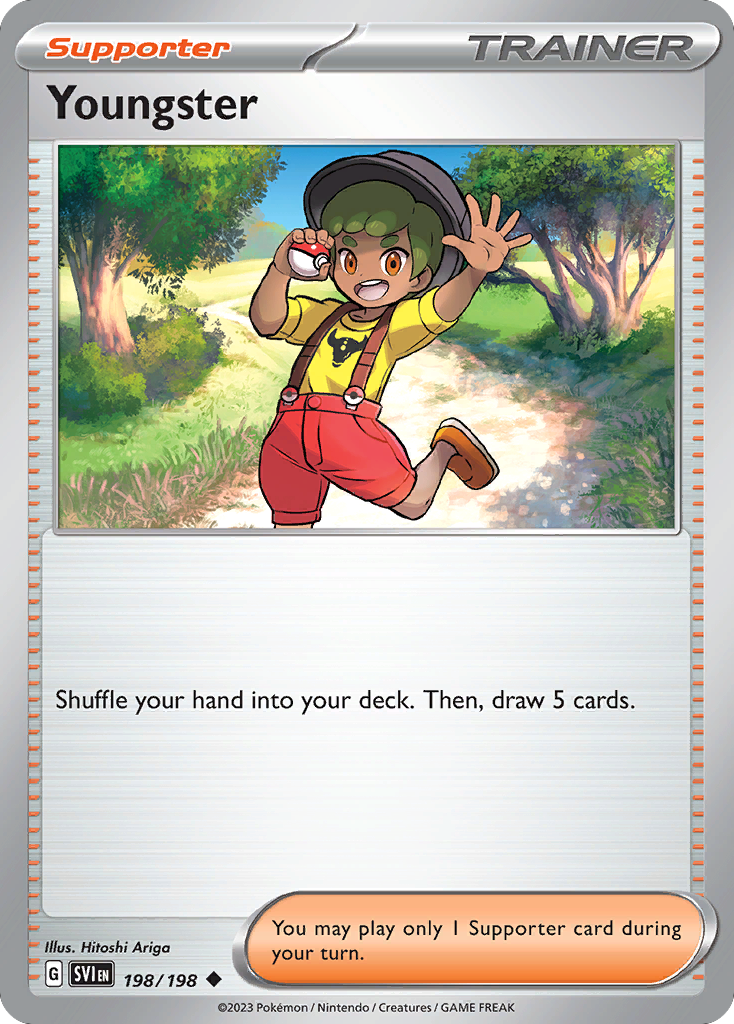
Card protection is the foundation of a healthy collection, especially for rare cards and promos.
In this article
Official boxes with accessories included

Mega Evolution—Perfect Order Elite Trainer Box
$89.93
$9.99/pack

Cards - 3 Booster Packs
$26.96
$8.99/pack
Amazon partner links - we may earn a commission at no extra cost to you.
The 5 essential rules
- Handle by the edges
- Sleeve hits immediately
- Store away from moisture
- Use a binder or top loader
- Avoid direct light
Protection protocol by card value tier
Protection protocol by card value tier
| Card value | Immediate protection | Storage | Avoid |
|---|---|---|---|
| Common / Uncommon | Bulk pile | Sort box | Individual sleeve (unnecessary) |
| Rare / RR | Matte sleeve | Binder or sort box | Handling without sleeve |
| IR / SIR / Promo | Sleeve + top loader | Premium binder or case | Direct light, humidity |
| > $25 / grading | Double sleeve + top loader | Rigid case, horizontal | Playing unprotected |
From handling to long-term preservation.
FAQ
Should you sleeve a card as soon as it leaves the pack?
Yes for any RR or better, and any promo. Commons can wait, but an unprotected hit scratches within a few handles — immediate value loss.
Top loader or binder for valuable cards?
Top loader for cards > $10 or in transit (sale, grading). 9-pocket binder with sleeves for long-term home storage. Never put a bare card in a binder.
How to prevent humidity and yellowing?
Store away from direct light, avoid humid rooms (kitchen, bathroom), use sealed boxes or binders with zippers. 18–22 °C, humidity < 50% ideal.
Double sleeving: useful or overkill?
Recommended for cards > $25 or destined for grading. Inner sleeve (perfect fit) + outer matte = maximum protection against dust and corner wear.
Calculate your pull rates
Search any Pokémon card on rateTCG to estimate pull rates per product and compare Amazon prices.


